
Why Emotional Design Is the Next Step In Mobile UX?
Mobile experiences are evolving beyond usability and function. Users now expect digital interactions that connect with their feelings. Emotional design shapes these experiences through empathy and meaningful engagement. It focuses on crafting interfaces that resonate, not just operate. Partnering with an experienced App Developer New York helps brands integrate this human-centered approach seamlessly.
Emotional Design
User psychology
Understanding how people feel while using an app defines the essence of emotional design. It taps into color, tone, and interaction patterns that influence emotions. Subtle animations or personalized greetings can create comfort and joy. These moments build trust, making users more likely to return. Emotional design turns interfaces into experiences that feel alive.
Visual storytelling
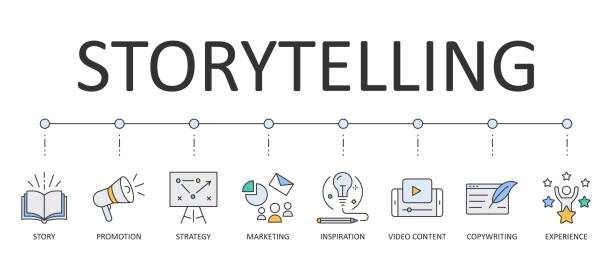
Visual elements do more than decorate, they tell a story that captures user attention. Strategic use of imagery, motion, and typography conveys tone and emotion. A mobile app that uses soft gradients and organic shapes evokes calmness. Meanwhile, vibrant contrasts energize and motivate action. This storytelling creates a narrative flow that keeps users emotionally connected throughout their journey.
Color psychology
Colors directly influence how users perceive your app. Designers use these cues to match brand identity with emotional intent. When color psychology is applied thoughtfully, it enhances the emotional tone without overwhelming the experience. An App Developer New York often studies these effects to ensure every screen reinforces the brand’s emotional message.
Micro interactions
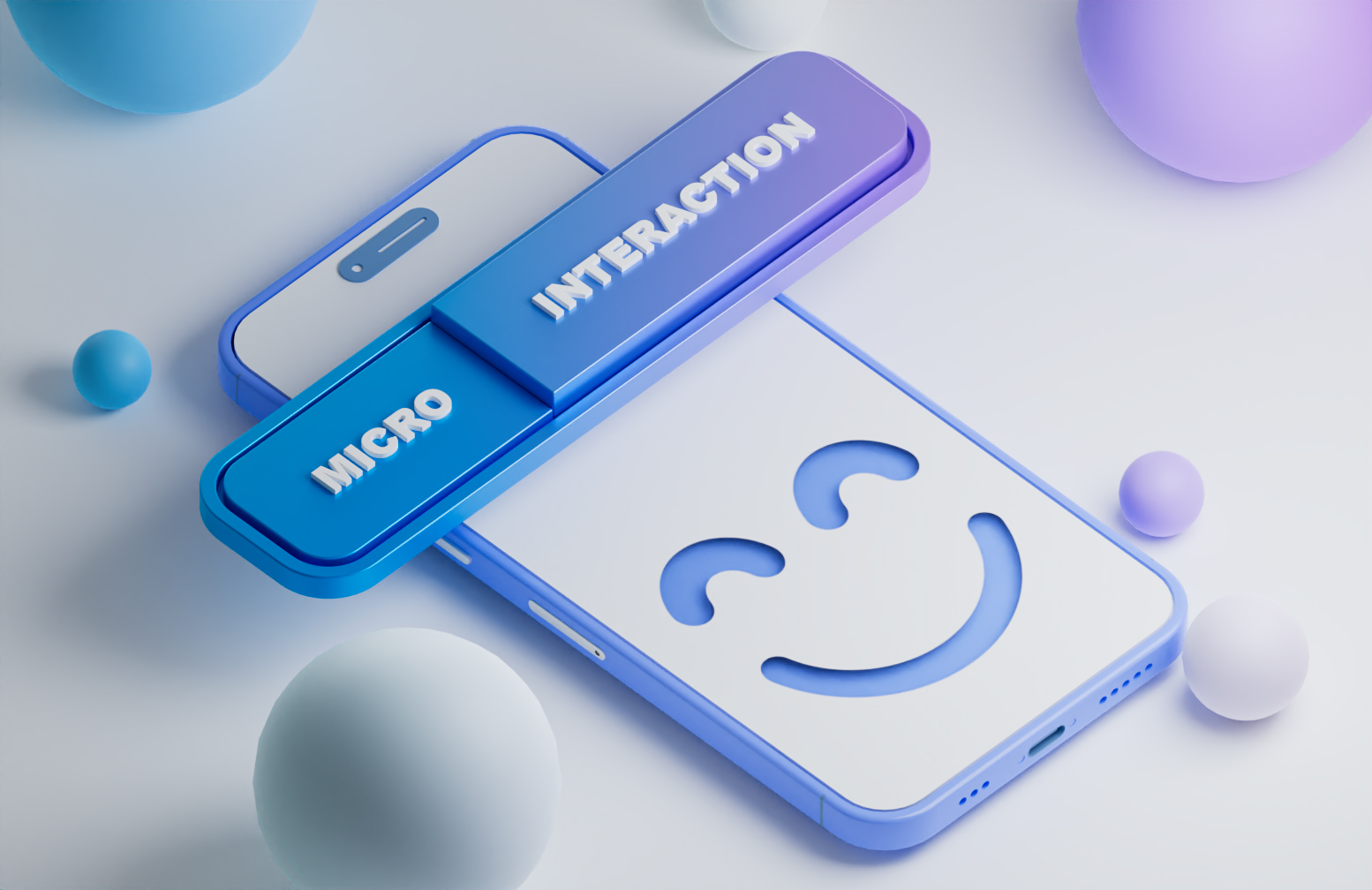
Small design touches often have the biggest emotional impact. These subtle animations or feedback cues respond to user actions instantly. Over time, these details transform basic functionality into emotionally intelligent experiences.
Personal connection
Emotional design thrives when apps feel personal and relatable. Customized notifications, user-driven themes, or adaptive content create a sense of belonging. The more an app reflects a user’s preferences, the more meaningful the experience becomes. This personalization encourages loyalty and engagement. It turns a digital product into a trusted companion rather than a simple utility.
Brand resonance
Every visual and verbal element contributes to emotional storytelling. Consistent design decisions help users connect brand values with feelings. When users associate joy, confidence, or inspiration with your app, they naturally advocate for it. Emotional resonance differentiates one app from another in crowded markets. It transforms brand identity into something users emotionally relate to and remember.

Trust building
Transparent onboarding flows, consistent design language, and supportive feedback build confidence. Users who feel understood are less anxious when interacting with new features. Clear communication and emotional tone reduce friction during navigation. Trust leads to sustained satisfaction, which directly boosts retention and brand credibility.
Conclusion
The future of mobile UX lies in crafting experiences that make users feel something real. Emotional design redefines how people perceive and interact with digital products. It blends psychology, creativity, and empathy to form deeper connections. Businesses that embrace this evolution with help from an App Developer New York will stand out in the competitive mobile landscape.
