
The Future Of Sensor-Driven Mobile Applications
Mobile technology is entering a new phase where phones understand the world around users. Built-in sensors now track movement, location, sound, and environment with high accuracy. This progress is reshaping how apps behave and respond in real time. Sensor-driven mobile applications are becoming central to innovation because they connect digital actions with physical context. Businesses working with app developer new york teams are exploring smarter mobile experiences that react instantly to real conditions.
Sensor-Driven Mobile Applications
Sensor capabilities
Smartphones continue to gain advanced sensors that measure motion, pressure, light, and proximity. These components allow apps to detect subtle changes in user behavior. Sensor-driven mobile applications use this data to adjust screens, alerts, and actions automatically. As sensors become more precise, apps respond faster and feel more aware of their surroundings, creating interactions that feel natural and seamless.
Context awareness
Context awareness is shaping the next generation of mobile experiences. Apps can understand whether users are walking, driving, or resting. Sensor-driven mobile applications interpret this information to change content and features instantly. This ability improves safety, relevance, and usability, especially in navigation, fitness, and productivity scenarios where timing matters most.
Health and wellness
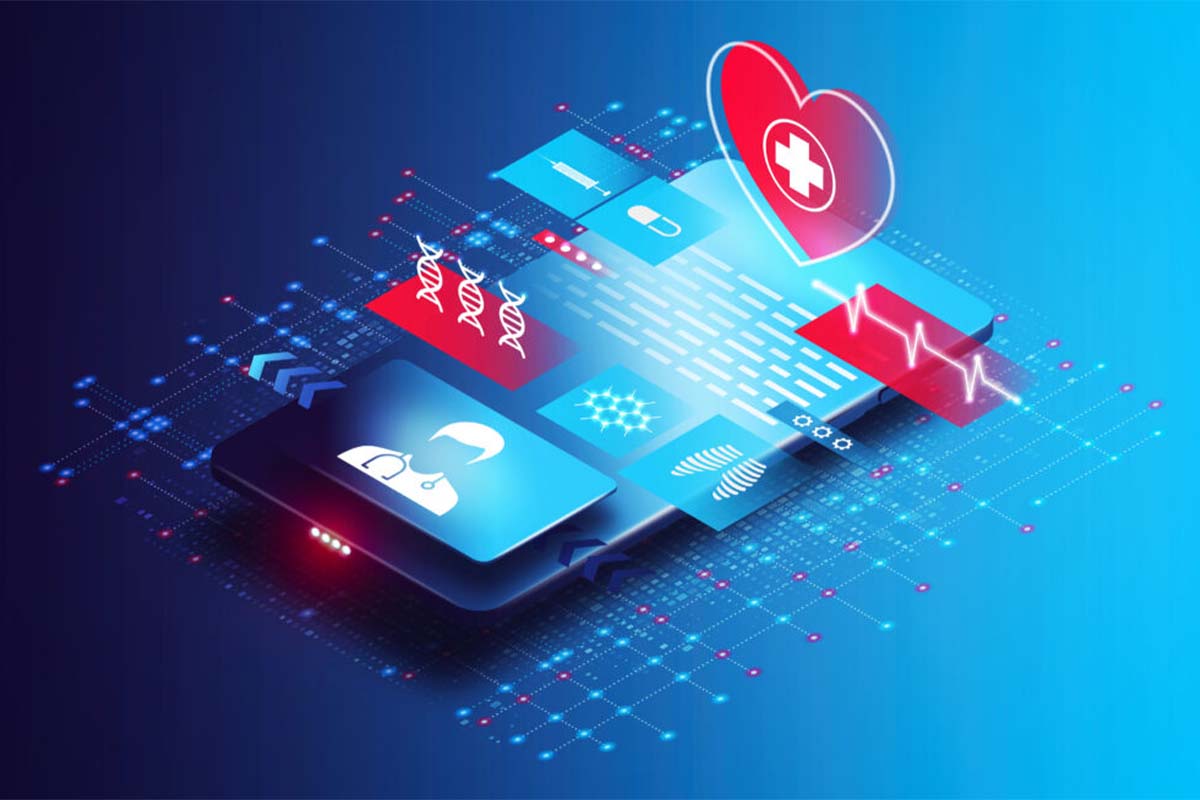
Health-focused apps are advancing rapidly due to sensor integration. Heart rate monitors, motion sensors, and sleep trackers support deeper insights. Sensor-driven mobile applications help users understand patterns and make better daily choices. Future apps will detect early health signals and encourage preventive care through timely feedback and gentle guidance.
Personal experiences
Location data adds strong value to mobile services. Apps can adjust features based on where users are in the moment. Sensor-driven mobile applications combine location with motion data to deliver precise recommendations. Retail, travel, and urban services benefit from experiences that change automatically as users move through spaces.
User interfaces
User interfaces are becoming more responsive through sensor input. Screens can rotate, resize, or simplify based on movement and grip. Sensor-driven mobile applications adjust interactions without manual input, reducing effort. This creates smoother journeys where apps feel intuitive and supportive instead of demanding attention.
Enterprise and industry impact
Industries are adopting sensor-powered apps to improve operations. Logistics, manufacturing, and field services rely on real-time data from devices. Sensor-driven mobile applications support automation, safety checks, and faster decisions. Companies working with app developer new york professionals build scalable solutions that connect mobile tools with physical workflows.
Responsible design
Future sensor-based apps must balance intelligence with trust. Users expect transparency and control over collected data. Responsible design ensures sensors enhance experiences without crossing boundaries. Clear permissions, secure storage, and ethical use will shape adoption and long-term confidence in advanced mobile systems.

Technical growth
Developing advanced sensor-based apps requires careful engineering and testing. Different devices behave in unique ways, which demands flexible logic and strong quality control. Developers must handle data accuracy, battery impact, and performance balance. As tools improve, frameworks simplify sensor access and processing. This technical growth will lower barriers for innovation while maintaining reliable user experiences across platforms. Continuous learning and cross-device testing will remain essential as ecosystems expand and expectations rise. Strong collaboration between designers and engineers ensures technical complexity never harms usability or trust.

Global impact
Global adoption of sensor-based apps will depend on user trust and clear value. Transparent data practices and respectful design will influence acceptance. When users feel protected, innovation can scale across cultures and regions. Trust will remain the foundation of sustainable growth in mobile technology. Worldwide progress depends on confidence.
Conclusion
Sensor technology is redefining what mobile apps can achieve. These applications will continue shaping how people interact with digital services in daily life. From health and movement to work and travel, this approach brings awareness into software design. Businesses partnering with app developer new york teams gain future-ready solutions that align technology with human behavior. As sensors evolve, mobile experiences will become smarter, more responsive, and deeply connected to the world around users.
